
Summary
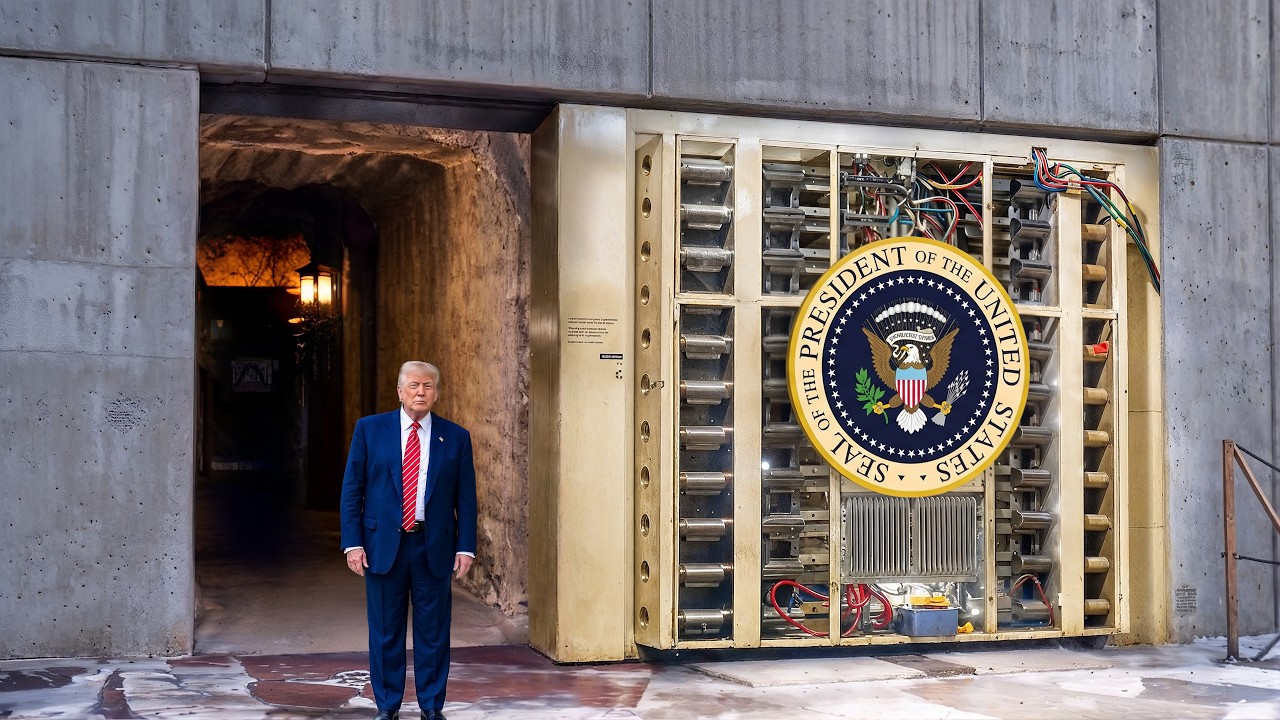
The **White House bunker**, a subterranean space shrouded in secrecy, has become a focal point in a legal battle involving **Donald Trump** and a dispute over a $400 million deal. While details about its exact purpose and history are scarce due to security concerns, its existence dates back to the **Cold War** era, designed as a potential refuge. The current legal entanglement highlights how even the most secure and historically significant locations can become entangled in modern controversies, raising questions about transparency and the use of classified infrastructure. This underground facility, often referred to as a bunker or shelter, underscores the layers of security and contingency planning inherent in presidential residences. Its emergence in a legal context, particularly one involving significant financial stakes, draws attention to the intersection of national security architecture and private legal disputes, prompting a re-examination of its historical context and contemporary relevance.
Key Takeaways
- The White House possesses underground bunker facilities with origins in the Cold War.
- Details about these facilities are highly classified due to national security concerns.
- A legal dispute involving Donald Trump has brought one such bunker into public focus.
- The case highlights the intersection of historical security infrastructure and contemporary legal battles.
- Secrecy surrounding government assets can lead to speculation and limited public understanding.
Balanced Perspective
Details regarding the **White House bunker** are inherently limited due to national security protocols, making a comprehensive historical account challenging. Its origins are widely reported to be rooted in **Cold War** anxieties, intended as a protected space for leadership. The current legal proceedings involving **Donald Trump** are focused on specific contractual or financial disputes, and the bunker's role within that case is a matter of ongoing legal interpretation. Publicly available information primarily consists of historical context and the current legal framework surrounding the dispute.
Optimistic View
The existence of such secure, underground facilities like the **White House bunker** demonstrates a commitment to national security and continuity of government, a crucial element for **US presidents** during times of crisis. Its historical significance as a **Cold War** relic offers a tangible link to past geopolitical challenges, providing valuable context for understanding presidential preparedness. The current legal case, while complex, may ultimately lead to greater clarity on the management and historical record of these vital assets, potentially enhancing public understanding of presidential security infrastructure.
Critical View
The secrecy surrounding the **White House bunker** fuels speculation and can obscure its true purpose and historical significance, potentially leading to its misuse or misrepresentation in legal or political contexts. The entanglement of such a sensitive national security asset in a private legal dispute, as seen with **Donald Trump**'s case, raises concerns about the politicization of classified infrastructure and the potential for compromising sensitive information. This situation highlights a broader trend where historical security measures become subjects of public debate and legal scrutiny, potentially undermining their intended function.
Source
Originally reported by PBS