
Contents
- 🏋️♂️ Introduction to the Push Up
- 📊 History of the Push Up
- 🏋️♀️ Benefits of the Push Up
- 🤔 Proper Form and Technique
- 📈 Variations of the Push Up
- 🏆 Push Up Challenges and Competitions
- 📊 Push Up Records and Achievements
- 🤝 Push Up in Different Cultures
- 📊 The Science Behind the Push Up
- 📈 Push Up Training and Progression
- 🏋️♂️ Common Mistakes and Injuries
- 👏 Conclusion and Final Thoughts
- Frequently Asked Questions
- Related Topics
Overview
The push up, a movement that dates back to ancient India and Greece, is a compound exercise that works multiple muscle groups including the chest, shoulders, and triceps. With a vibe score of 8, it's a widely practiced and culturally resonant exercise. However, controversy surrounds the proper form, with some arguing that a full range of motion is necessary, while others claim that a modified version is sufficient. According to a study published in the Journal of Strength and Conditioning Research, the push up can increase upper body strength by up to 25% in just 6 weeks. The push up has been influenced by various fitness movements, including yoga and CrossFit, and has been popularized by fitness influencers such as Kayla Itsines and Michelle Lewin. As we look to the future of fitness, it's likely that the push up will continue to evolve, with advancements in technology and training methods allowing for more effective and efficient workouts. For example, the use of AI-powered fitness coaches and virtual reality training platforms may revolutionize the way we approach the push up and other exercises.
🏋️♂️ Introduction to the Push Up
The push up is a classic exercise that has been a staple in fitness routines for centuries. It is a simple yet effective way to build strength and endurance in the upper body, particularly in the push up muscles. The push up works multiple muscle groups simultaneously, including the chest muscles, shoulder muscles, and tricep muscles. This makes it an excellent exercise for building overall upper body strength. The push up is also a great exercise for improving core strength and stability. With its rich history and numerous benefits, it's no wonder the push up remains a popular exercise among fitness enthusiasts and athletes alike, including those who practice yoga and pilates.
📊 History of the Push Up
The history of the push up dates back to ancient civilizations, where it was used as a form of exercise and training for warriors. The push up was also a popular exercise among ancient Greek and Roman athletes, who used it to build strength and endurance for various sports and activities. In the modern era, the push up became a standard exercise in military training and was also adopted by fitness enthusiasts and athletes. Today, the push up is a staple in many fitness routines, including CrossFit and high-intensity interval training. The push up has also been influenced by various fitness trends and exercise fads over the years, including the use of resistance bands and kettlebells.
🏋️♀️ Benefits of the Push Up
The benefits of the push up are numerous and well-documented. It is an excellent exercise for building strength and endurance in the upper body, particularly in the push up muscles. The push up also improves core strength and stability, which can help with overall athletic performance and reduce the risk of injury. Additionally, the push up is a great exercise for improving posture and reducing the risk of back pain. With its many benefits and simplicity, it's no wonder the push up remains a popular exercise among fitness enthusiasts and athletes, including those who practice powerlifting and weightlifting. The push up is also a great exercise for improving mental toughness and discipline, as it requires focus and dedication to perform correctly.
🤔 Proper Form and Technique
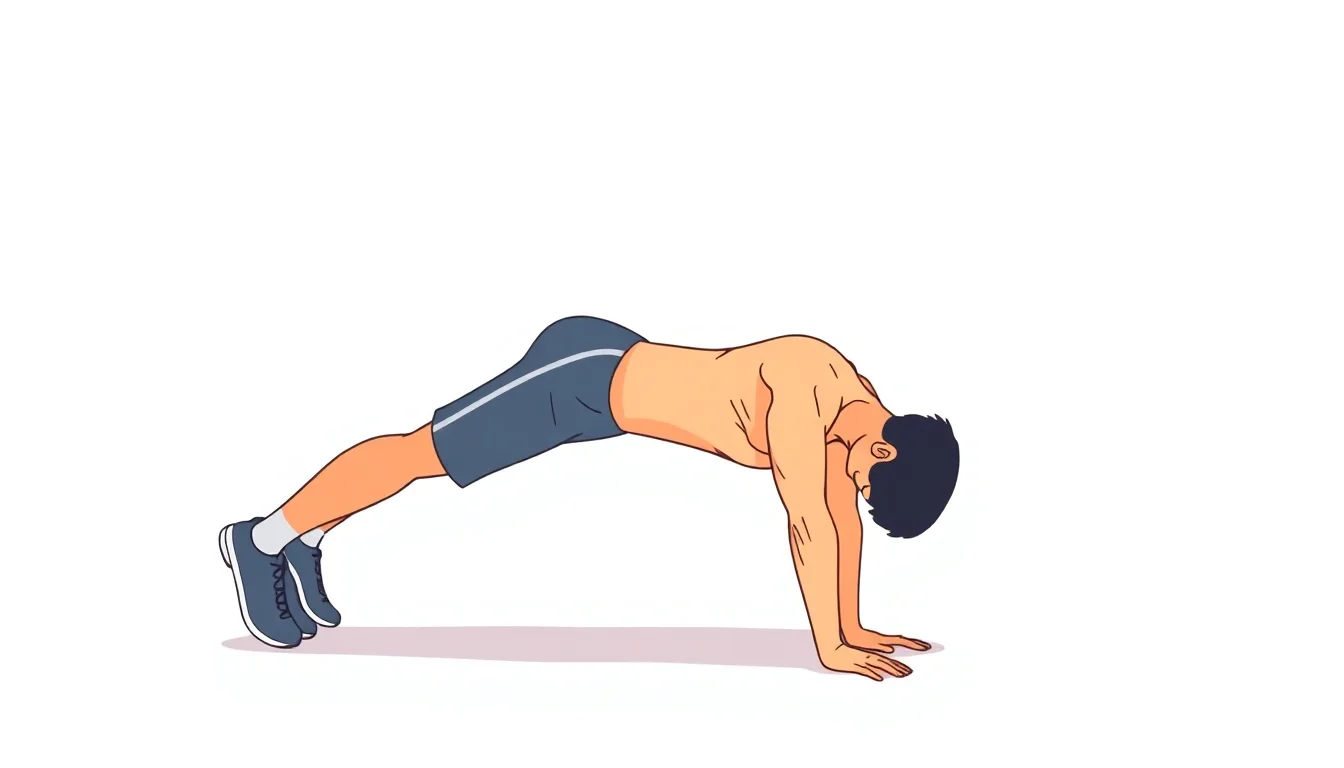
Proper form and technique are essential for getting the most out of the push up and minimizing the risk of injury. To perform a push up, start in a plank position with your hands shoulder-width apart and your feet hip-width apart. Engage your core muscles and keep your body in a straight line from head to heels. Lower your body until your chest almost touches the ground, then push back up to the starting position. It's also important to keep your elbows close to your body and avoid letting your hips sag or your back arch. With practice and patience, you can master the proper form and technique of the push up and enjoy its many benefits, including improved flexibility and balance.
📈 Variations of the Push Up
There are many variations of the push up that can be used to target different muscle groups and add variety to your workout routine. Some popular variations include the diamond push up, decline push up, and incline push up. You can also use different grip positions, such as a neutral grip or pronated grip, to target different muscle groups. Additionally, you can add weight or resistance to your push ups to increase the challenge and build strength more quickly. With its many variations and modifications, the push up is an exercise that can be adapted to suit any fitness level or goal, including bodybuilding and figure competitions.
🏆 Push Up Challenges and Competitions
Push up challenges and competitions are a great way to test your strength and endurance and push yourself to new heights. Many fitness enthusiasts and athletes participate in push up challenges and competitions, which can be a fun and motivating way to stay on track with your fitness goals. Some popular push up challenges include the push up challenge and the burpee challenge. You can also create your own push up challenge or competition with friends or family members to add a social and competitive element to your workout routine. With its many benefits and challenges, the push up is an exercise that can be enjoyed by people of all fitness levels and backgrounds, including athletes and non-athletes.
📊 Push Up Records and Achievements
The push up has been the subject of many records and achievements over the years. Some notable records include the most push ups performed in a row, the most push ups performed in a minute, and the most push ups performed with claps or other modifications. Many fitness enthusiasts and athletes have also used the push up as a way to raise money and awareness for various charities and causes. With its many records and achievements, the push up is an exercise that continues to inspire and motivate people around the world, including those who practice martial arts and dance.
🤝 Push Up in Different Cultures
The push up is an exercise that is practiced and enjoyed by people all around the world. In many cultures, the push up is a staple exercise that is used to build strength and endurance for various sports and activities. In some cultures, the push up is also used as a form of meditation or mindfulness practice, helping to improve focus and concentration. With its many cultural and historical significance, the push up is an exercise that continues to be an important part of many fitness routines and traditions, including yoga and tai chi.
📊 The Science Behind the Push Up
The science behind the push up is complex and multifaceted. When you perform a push up, you are engaging multiple muscle groups simultaneously, including the pectoral muscles, deltoid muscles, and tricep muscles. You are also using your core muscles to stabilize your body and maintain proper form and technique. With its many scientific and physiological benefits, the push up is an exercise that can help improve overall health and fitness, including cardiovascular health and muscular endurance.
📈 Push Up Training and Progression
Push up training and progression are essential for building strength and endurance and achieving your fitness goals. To progress with push ups, you can start by performing a few sets of push ups per day and gradually increase the number of sets and reps over time. You can also add weight or resistance to your push ups to increase the challenge and build strength more quickly. With its many benefits and modifications, the push up is an exercise that can be adapted to suit any fitness level or goal, including powerlifting and weightlifting.
🏋️♂️ Common Mistakes and Injuries
Common mistakes and injuries can occur when performing push ups, particularly if you have poor form or technique. Some common mistakes include letting your hips sag or your back arch, which can put unnecessary strain on your spine and increase the risk of injury. You can also injure your shoulders or wrists if you have poor form or technique. To avoid these mistakes and injuries, it's essential to focus on proper form and technique and start with a modified version of the push up if necessary. With its many benefits and challenges, the push up is an exercise that requires attention to detail and dedication to master, including physical therapy and rehabilitation.
👏 Conclusion and Final Thoughts
In conclusion, the push up is a timeless test of strength that continues to be an important part of many fitness routines and traditions. With its many benefits and modifications, the push up is an exercise that can be adapted to suit any fitness level or goal. Whether you're a beginner or an advanced athlete, the push up is an exercise that can help you build strength and endurance and achieve your fitness goals. So why not give it a try and see the many benefits of the push up for yourself? With its rich history and cultural significance, the push up is an exercise that will continue to inspire and motivate people around the world for generations to come, including those who practice martial arts and dance.
Key Facts
- Year
- 1900
- Origin
- Ancient India and Greece
- Category
- Fitness
- Type
- Exercise
- Format
- how-to
Frequently Asked Questions
What is the proper form and technique for a push up?
To perform a push up, start in a plank position with your hands shoulder-width apart and your feet hip-width apart. Engage your core muscles and keep your body in a straight line from head to heels. Lower your body until your chest almost touches the ground, then push back up to the starting position. Keep your elbows close to your body and avoid letting your hips sag or your back arch. With practice and patience, you can master the proper form and technique of the push up and enjoy its many benefits.
What are the benefits of the push up?
The benefits of the push up are numerous and well-documented. It is an excellent exercise for building strength and endurance in the upper body, particularly in the push up muscles. The push up also improves core strength and stability, which can help with overall athletic performance and reduce the risk of injury. Additionally, the push up is a great exercise for improving posture and reducing the risk of back pain.
How can I modify the push up to suit my fitness level?
There are many variations of the push up that can be used to target different muscle groups and add variety to your workout routine. Some popular variations include the diamond push up, decline push up, and incline push up. You can also use different grip positions, such as a neutral grip or pronated grip, to target different muscle groups. Additionally, you can add weight or resistance to your push ups to increase the challenge and build strength more quickly.
What are some common mistakes and injuries associated with the push up?
Common mistakes and injuries can occur when performing push ups, particularly if you have poor form or technique. Some common mistakes include letting your hips sag or your back arch, which can put unnecessary strain on your spine and increase the risk of injury. You can also injure your shoulders or wrists if you have poor form or technique. To avoid these mistakes and injuries, it's essential to focus on proper form and technique and start with a modified version of the push up if necessary.
How can I incorporate the push up into my workout routine?
The push up is a versatile exercise that can be incorporated into a variety of workout routines. You can start by performing a few sets of push ups per day and gradually increase the number of sets and reps over time. You can also add weight or resistance to your push ups to increase the challenge and build strength more quickly. Additionally, you can incorporate the push up into a variety of exercises, such as burpees and mountain climbers.
What are some alternative exercises to the push up?
There are many alternative exercises to the push up that can be used to target the same muscle groups. Some popular alternatives include the dumbbell press, incline press, and cable press. You can also use resistance bands or kettlebells to add variety to your workout routine. Additionally, you can incorporate other exercises, such as rows and shoulder press, to target different muscle groups and add variety to your workout routine.
Can I do push ups if I have a shoulder or back injury?
If you have a shoulder or back injury, it's essential to consult with a healthcare professional or fitness expert before performing push ups. They can help you determine the best course of action and provide modifications or alternatives to the push up that can help you avoid exacerbating the injury. Additionally, you can start with a modified version of the push up, such as a knee push up or wall push up, and gradually progress to more challenging variations as your injury allows.